You notice a stain on the ceiling. Or some shingles came loose after that last storm. Or the inspector mentioned “some areas of concern.” Now you’re wondering whether you need a repair or a full replacement — and how to tell the difference without getting talked into more than you need (or less than you should do).
Here’s an honest framework for thinking through this decision.
When Repair Makes Sense
Roof repair is the right answer when the damage is isolated, the rest of the roof is in solid condition, and the repair will extend the useful life of the overall system meaningfully.
Specific situations where repair is typically appropriate:
- A few missing or damaged shingles on an otherwise healthy roof after a wind event. If the surrounding shingles are sound and the deck underneath is solid, replacing those specific shingles is the right call.
- Flashing failure at a chimney, skylight, or vent pipe. Flashing repairs are targeted, relatively inexpensive, and can extend roof life significantly when the rest of the roof is in good shape.
- Isolated granule loss in one section, with the balance of the roof showing normal aging. If only a few squares are affected and the rest is solid, a targeted repair addresses the vulnerability.
- Small punctures or penetrations from falling debris, foot traffic, or installation damage. These can often be repaired cleanly if they’re discovered promptly.
The common thread: the damage is contained, the rest of the roof is healthy, and the repair addresses the actual problem rather than masking a broader issue.
When Replacement Makes More Sense
Replacement becomes the right answer when one or more of the following are true:
- The roof is over 20 years old and showing widespread wear. At this age, repairing isolated sections means putting new patches on a field that’s close to end of life. The patches will outlast the surrounding shingles, which isn’t money well spent.
- Damage is widespread, not isolated. If a hail storm or major wind event affected large portions of the roof, repairing section by section becomes more expensive than replacing the whole system and results in a roof with mismatched age and performance across its surface.
- The roof deck has significant damage or rot. When the structural foundation of the roof is compromised, repairs to the surface don’t solve the underlying problem. Deck replacement requires removing the shingles anyway, making a full replacement the natural scope.
- You’re planning to add solar. As discussed separately, putting solar on a roof with limited remaining life sets up a future detach-and-reset cost. Replacing first makes more economic sense.
- The cost of repairs approaches replacement cost. At some point, the economics flip. Multiple repairs over a few years can cost more than a single replacement that resets the clock.
The 50 Percent Rule of Thumb
Some roofing professionals use a rough guideline: if repairing the affected areas would cost 50 percent or more of what a full replacement would cost, replacement is usually the better financial decision. The repaired roof is still aging. You haven’t reset the lifespan. A replacement starts a new 20 to 30 year clock.
This is a guideline, not a hard rule. The age and overall condition of the existing roof matter. A repair that buys you 8 more years on a 12-year-old roof is a different calculation than a repair on a 22-year-old roof that might only get you 2 or 3 more years.
What About Roofing Over Existing Shingles?
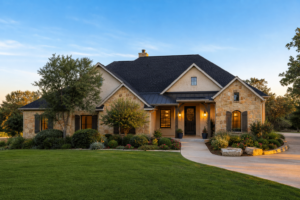
In some situations, building codes allow installing a new layer of shingles directly over the existing ones. This eliminates tear-off costs but comes with downsides: the new layer adds weight, the old shingles’ condition affects the performance of the new ones, and you lose the ability to inspect the deck for any issues beneath. Most quality contractors, including Divided Sky, generally recommend full tear-off and replacement over layering for residential projects. You want to know what’s under there.
Getting an Honest Assessment
The challenge with this decision is that contractors have a financial interest in the outcome. A contractor who only does replacements will find reasons to recommend replacement. A contractor who profits more from repair business may recommend repair when replacement is actually the smarter long-term choice.
Divided Sky is a GAF Master Elite Contractor, and our reputation in San Marcos and across Central Texas is built on giving homeowners an honest assessment — not the one that maximizes the job ticket. When a repair is the right answer, we’ll say so. When replacement is the better choice for your home and your situation, we’ll explain exactly why.
Schedule a free inspection and get a straightforward answer about where your roof stands and what makes sense to do about it.
