The general guidance from roofing professionals is straightforward: get your roof inspected once a year, and after any significant storm. In Central Texas, that second trigger happens more than most homeowners expect.
But let’s talk about why this matters — not just as a rule to follow, but as a practical decision that affects your home’s value, your insurance position, and your wallet.
The Annual Inspection
An annual professional inspection catches the slow-moving problems before they become emergency repairs. Flashing that’s starting to separate. Granule loss that’s accelerating in one section. A vent boot that’s cracking. These are things that look minor on an inspection report but turn into leaks within a year or two if left unaddressed.
In Texas, fall is a smart time for an annual inspection. You’re coming out of the brutal summer heat, which is when UV degradation and thermal stress do their most significant work. An inspection in October or November tells you what summer did to the roof and gives you time to address any issues before winter weather arrives.
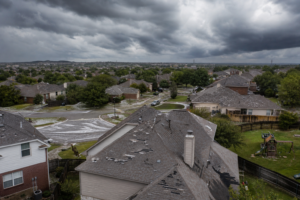
Spring is also reasonable — you’re ahead of storm season and can identify any winter damage before the first major hail event of the year.
After Significant Storms
Central Texas is in one of the most active hail corridors in the United States. The stretch from San Marcos through San Antonio and up through the Austin metro sees multiple significant hail events most years. A hail storm that drops one-inch stones across your neighborhood warrants an inspection, even if you don’t see obvious damage from the street.
Why? Because hail damage to asphalt shingles often isn’t visible from the ground. You’re looking for granule loss, bruising, and micro-cracking that only reveals itself from the roof surface — or from inside your attic, where early moisture infiltration shows up before the first interior ceiling stain.
Wind events matter too. High straight-line winds can lift shingle edges, break the adhesive seal strip, or pop flashing loose. These failures don’t always show up immediately. They show up the following rainy season.
Before Buying a Home
A standard home inspection covers the roof, but not at the depth a roofing specialist goes to. Home inspectors are generalists. They walk the roof (when accessible), look for obvious issues, and note what they see. What they often miss: the early signs of hail bruising on asphalt shingles, flashing conditions at skylights or chimneys, ventilation issues that are accelerating deck deterioration, and granule loss patterns that signal an aging roof.
Getting a dedicated roof inspection from a certified contractor before you close on a home can change the negotiation. If the roof has 18 months of useful life left, that’s a $12,000 to $20,000 item coming due shortly after you move in. That’s negotiating leverage — or a reason to walk away, depending on the seller’s position.
What Gets Missed Without Regular Inspections
This is the list that matters to homeowners who’ve never had a problem:
- Flashing failures. The metal flashing around chimneys, skylights, vents, and roof-to-wall connections is where most leaks start. Flashing can pull away gradually over years before any water enters the living space.
- Attic moisture buildup. Poor ventilation causes condensation in the attic that deteriorates insulation, causes mold, and rots the roof deck from below — all before you see anything from inside the house.
- Granule loss staging. If you can track how quickly your roof is losing granules over two or three inspections, you can predict when replacement is needed and plan for it on your timeline rather than reacting to a leak.
- Gutter-related damage. Clogged gutters cause water to back up under shingles at the eaves. This is a consistently overlooked source of roof damage that regular inspections catch.
What a Good Inspection Covers
A professional roof inspection from Divided Sky includes a full assessment of the roof surface, flashing at all penetrations, gutters and drainage, ventilation, and visible attic conditions when accessible. We document what we find with photos and a written report.
The inspection is free. There’s no obligation. What you get is an accurate picture of where your roof stands — something you can plan around, document for insurance purposes, or use in a home sale or purchase negotiation.
If you’re in San Marcos, Kyle, Buda, New Braunfels, Wimberley, Dripping Springs, or anywhere in Central Texas, schedule your inspection here.
