
No Solar or Backup yet? Now’s a great time to explore options before the next storm hits — and before the federal tax credit ends this year!
🌞 Solar Rebates & Tax Credit Guide
Switching to solar power is not just about reducing energy bills—it can also earn you rebates and tax incentives. This guide walks you through when rebates end, what documents you need for tax credits, and how to claim them.
What’s Included in your FREE Check?
-
Roof exterior (visual): look for lifted/cracked/missing shingles, ridge/eave wear, valley debris, and the condition of flashings & pipe boots.
-
Gutters & drainage: check for clogs/loose runs, downspout flow, and obvious foundation-side pooling risks.
-
Solar (if you have it): roof-level look at panels/conduit/racking,
-
Attic peek (optional, if easily accessible): quick scan for fresh stains/daylight near penetrations and basic venting red flags.
-
Photos & notes: simple photo report you can keep (useful for your records or insurer).
-
Next-step guidance: clear recommendations, timing, and estimates if any tune-ups or repairs are needed.

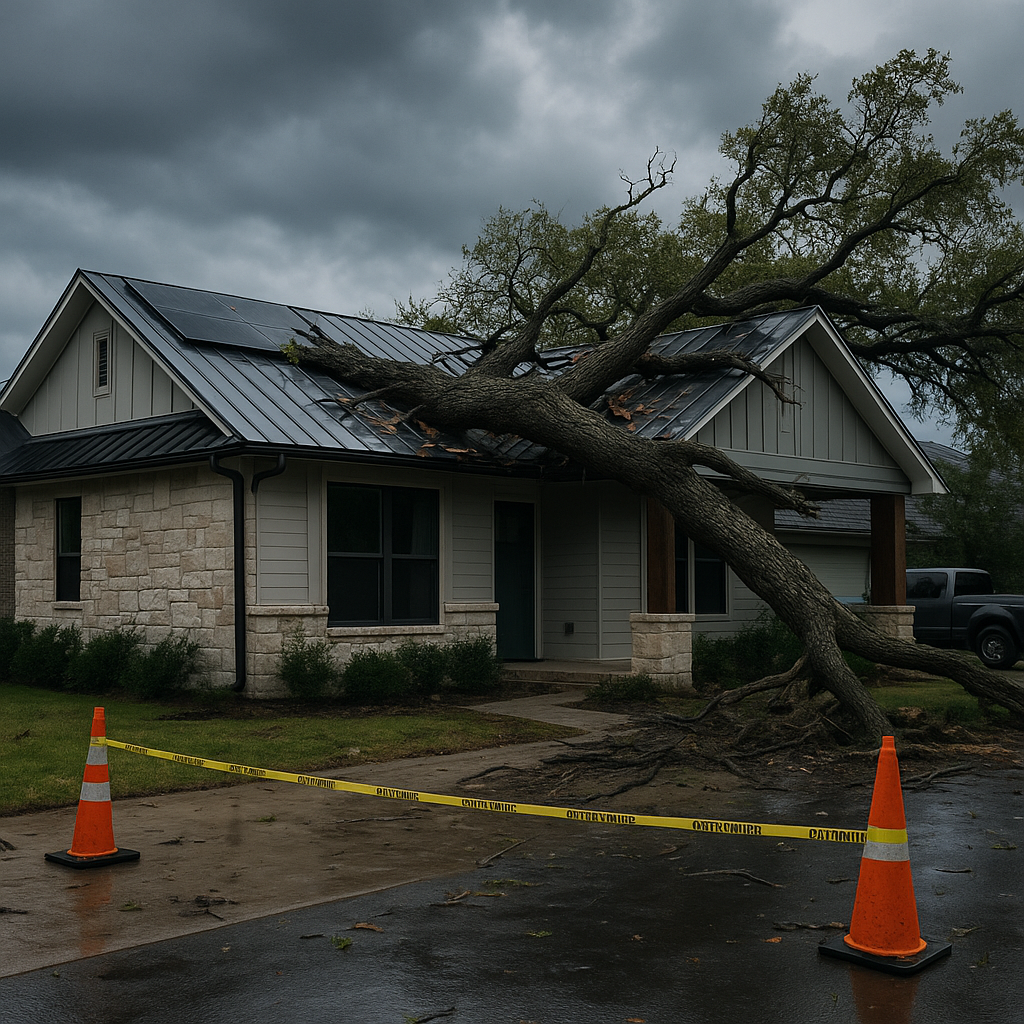
Storm damage? Local, licensed, ready.
We help with insurance claims and provide all the documentation you need to file—photos, measurements, scope of work, and material specs. We’re licensed, local, and insured, and we’ll walk you through each step.
Insurance- Claim Support Includes:
-
On-site photos of damage
-
Measurements and written scope of work
-
Before/after documentation for your records
-
Coordination with your adjuster’s visit (by request)
FAQs
June–November, with a peak in early–mid September. Inland impacts in our area are usually wind-driven rain, flash flooding, quick spin-up tornadoes, and short power outages.
-
Clear gutters/valleys/downspouts.
-
Walk the yard: secure furniture, trim small loose branches.
-
Check roof flashings/pipe boots from the ground; note anything suspect.
-
Test flashlights, charge power banks, fill car tank.
-
Refill meds and pet supplies.
-
Water (at least 1 gallon per person per day for 3+ days), non-perishable food, opener.
-
Flashlights + batteries, phone chargers/power banks.
-
First-aid, meds, copies of IDs/insurance, cash.
-
Pet food/records, baby supplies if needed.
-
Clean gutters; add downspout extensions (4–6 ft from slab).
-
Check grading; place temporary diverters/sandbags where water pools.
-
Inspect caulk around windows/doors; check weatherstripping.
Flashing seals the seams (chimneys, walls, vents, skylights). It’s the most common leak point in wind-driven rain. Look for cracked sealant or deteriorated rubber pipe boots.
Most grid-tied systems shut off for safety. You need a battery or special inverter with “islanding/backup” to run selected circuits during an outage.
Don’t tape glass—it’s ineffective. Close blinds/curtains to reduce shards. If you use shutters/boards, install per manufacturer guidance before conditions deteriorate.
-
Watch: Conditions are possible—prepare and review your plan.
-
Warning: Happening or imminent—take protective action now.
-
Check for hazards (downed lines, gas smells).
-
Photograph any damage before temporary tarping.
-
Clear small debris; avoid standing water near electricity.
-
Call for a professional inspection if you suspect roof or flashing issues.
If you’re considering it, before storm season is the best time to plan. We can show low-profile solar and battery options that fit your home and HOA.
Yes we do! Explore flexible monthly payments for roof, solar, and backup power—tailored to your budget and timeline. Get a quick, no-obligation estimate and see options before you decide.
