A roofer climbs on your roof and tells you it needs to be replaced. Another one tells you it just needs a repair. Both quotes feel confident. The numbers are very different. Who is right?
This is one of the most common difficult calls homeowners in Central Texas have to make. The answer depends on factors that vary by roof age, damage type, material, and your plans for the property. Here is how to think through the decision clearly.
When Repair Is the Right Answer
Repair makes sense when the damage is isolated and the rest of the roof has useful life remaining.
Specific scenarios where repair is appropriate:
A few failed shingles after a wind event. Central Texas sees spring storms with sustained winds in the 40 to 60 mph range. When that happens, individual shingles can fail, particularly along ridge lines and at roof edges where uplift pressure is highest. If the shingles are otherwise in good condition and the roof is under 10 years old, replacing the affected sections is reasonable.
A leak at a specific penetration. Pipe boots, skylights, and chimney flashing fail over time. A well-isolated leak coming from a single source is often a repair job, not a replacement. The condition of the surrounding field shingles determines whether repair is a real fix or a temporary patch.
Small hail on a newer roof. Not every hail event damages every roof equally. A roof with high-quality shingles installed in the last three to five years can sometimes sustain minor hail with no functional damage. In those cases, a thorough inspection is worthwhile but may conclude that no action is needed.
When Replacement Is the Right Answer
Replacement makes sense when the problems are widespread, when the roof is approaching the end of its expected life, or when the cost of repair approaches a significant fraction of replacement cost.
Age and condition. Standard three-tab asphalt shingles in Central Texas typically last 15 to 20 years under normal conditions. Texas heat accelerates granule loss and shingle brittleness compared to cooler climates. If your roof is 18 years old and showing widespread granule loss, repairs are buying you months, not years.
Widespread hail damage. When a significant hail event affects the whole roof, spot repair does not address the cumulative damage to field shingles. Your insurance adjuster knows this. A legitimate inspector will document damage across multiple slopes and multiple sections, not just the most visible areas.
Multiple leak sources. A roof that has developed leaks in three different locations over two years is telling you something. The shingle system is failing, not just in those spots.
Damaged decking underneath. When a roofer opens up a problem area and finds rotted or damaged decking below, that changes the conversation. You cannot simply put new shingles over compromised substrate.
The “Keep Repairing It” Trap
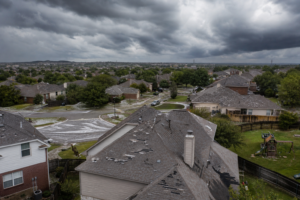
One pattern worth recognizing: the homeowner who has been repairing the same roof for five years and is now facing a full replacement that would have cost less total if done earlier.
Repairs on a roof near end of life are often temporary. Shingles are brittle. Flashing is compromised throughout. Fixing one leak creates a new failure point two months later because the underlying issue is age and wear, not a specific problem. If you have spent $2,000 to $3,000 in repairs over the past two years on a roof that is 17 years old, the math on replacement starts looking different.
A good contractor will tell you this directly, even if it means a smaller job today. A contractor who keeps you in the repair cycle indefinitely is not serving your interests.
How Insurance Factors In
When storm damage is involved, the repair vs. replacement decision often gets made partly by your insurance adjuster. Adjusters are trained to identify functional damage and document whether replacement is warranted. If your roof has sustained functional hail damage across multiple slopes, most carriers will approve replacement rather than repair.
Where homeowners get into trouble is accepting an adjuster’s initial scope without a contractor review. Adjusters see a lot of roofs quickly. Items can get missed. A GAF Master Elite contractor who knows how to document damage properly can often identify line items the adjuster’s initial estimate did not capture. That is not about manufacturing a claim. It is about making sure the scope is complete.
Divided Sky works alongside homeowners and their carriers to make sure nothing legitimate gets left out of the claim.
Getting an Honest Second Opinion
If you have had a contractor tell you that you need a full replacement and you are not sure, get a second opinion from a different contractor with no stake in the first assessment.
Bring both contractors their assessment in writing and ask each to explain specifically why repair is or is not sufficient. The answer should be based on specific findings: shingle age, granule coverage measurement, damage distribution, decking condition. Not vague statements about the roof being in bad shape.

Divided Sky has been serving San Marcos, Kyle, Buda, New Braunfels, Wimberley, and the surrounding area for years. We give homeowners honest assessments, and we explain our reasoning. If repair is the right answer, we will tell you. If replacement is, we will show you why.
Schedule a free inspection and get a clear picture of what you are actually working with.
