The storm passed. The hail was real. Now what?
Most Central Texas homeowners don’t know they have a 48-hour window that can make or break their insurance claim. What you do — and don’t do — in the hours after a hail event determines whether you end up with a fair settlement or a fight with your adjuster.
Here’s exactly what to do.
Step 1: Document Everything Before You Touch Anything
Don’t call a contractor yet. Don’t call your insurance company yet. Walk your property and take photos. Timestamp them. Shoot video if you can. Look for:
- Dents on gutters, downspouts, and your AC unit (these are fast, easy hail indicators)
- Cracked or broken window screens
- Damage to patio furniture, vehicles, or outbuildings
You’re building evidence. The more documentation you have before anyone else sets foot on your property, the stronger your position.
Step 2: Call a Local, Certified Contractor — Not the One at Your Door
After every major storm in Central Texas, out-of-state roofing crews flood the area. They work fast, they work cheap, and they’re gone before the warranty matters.
Look for a GAF Master Elite Certified contractor. Less than 3% of roofing contractors in North America earn this designation — it requires consistent quality, proper licensing, and ongoing training. A Master Elite contractor can offer manufacturer warranties that regular contractors simply cannot.
More importantly: they’ll give you an honest inspection. Not a sales pitch — a documented assessment of what the storm actually did to your roof.
Step 3: Understand What You’re Looking At
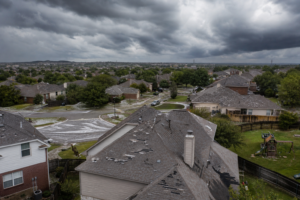
Hail damage to a roof isn’t always visible from the ground. What looks like a fine roof from the driveway can have:
- Granule displacement: The protective coating on asphalt shingles knocked loose in patches, accelerating weathering
- Bruised shingles: Soft spots in the shingle mat that crack over time and create leak points
- Broken seals: The sealing strip between shingles compromised, reducing wind resistance
A trained eye on a ladder finds what you can’t see from a phone camera.
Step 4: Get the Inspection Report Before You Talk to Your Adjuster
Your insurance adjuster is working for your insurance company. Your contractor is working for you. When a professional inspector documents your damage in writing before the adjuster arrives, you have an independent baseline. If the adjuster’s estimate comes in low, you have documentation to back your claim.
Our inspections are free, fully documented, and designed to give you exactly this leverage. We’ll walk the roof with you, explain what we find, and give you a written report you can take into any claims conversation.
Step 5: File Promptly — Don’t Wait to See How Bad It Gets
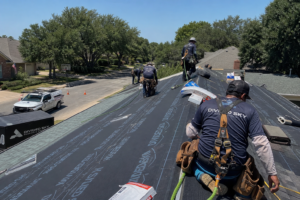
Texas insurance policies have specific windows for storm claims. Some carriers require you to file within one year of the event. Others have stricter timelines. If you wait for a leak to develop before calling, you may have missed the window to claim the original storm damage.
File the claim first. Then manage the repair timeline with your contractor.
A Note on “My Roof Looks Fine”
Hail damage doesn’t always look like damage. Granule loss is subtle. Seal strip failure is invisible from the ground. The leak might not show up for six months — after the claim window has closed and the damage has compounded.
The free inspection exists for exactly this situation. It costs you nothing and gives you the information you need to make a decision.
If you’re in San Marcos, Kyle, Buda, New Braunfels, Wimberley, or anywhere in Central Texas and storms hit your area — give us a call. Thirty minutes on your roof today beats a ceiling cave-in next spring.
Schedule your free post-storm inspection: 512-995-7663 | stg-dividedskyroofingandsolar-staging.kinsta.cloud
Divided Sky Roofing & Solar is a GAF Master Elite Certified contractor serving Central Texas. We’ve been doing this work in San Marcos and the surrounding communities for over a decade.
